Stories Woven Into Wood: Caring for What We Inherit

Today we dive into “Heirloom Narratives: Preserving Family Furniture Through Sustainable Care Practices,” celebrating the quiet resilience of well-loved pieces and the families who steward them. Learn practical, planet-friendly routines, mindful restoration choices, and meaningful ways to document memories so each scratch, drawer, and dovetail can keep telling its story for generations. Share your experiences, ask questions, and help this conversation grow.

Know What You’re Caring For

Reading Grain, Species, and Finish

Grain patterns reveal species, while sheen, feel, and small tests suggest shellac, lacquer, varnish, or oil. Use spot testing with denatured alcohol only after research, and avoid harsh strippers. Knowing what you’re touching helps you choose reversible care, reduce chemical load, and preserve character. Share discoveries in the replies, inspiring others to observe with patience and wonder.

Joinery Clues That Whisper Time

Dovetails, mortise-and-tenon, hand-plane marks, and irregular saw kerfs can date construction and signal craftsmanship. These clues guide repairs: hide glue for original joints, cautious clamping, and no drilling into history. Document observations with photos, measurements, and notes. Post your findings to crowdsource insight, learning how small details unlock respectful, sustainable treatment decisions that honor both maker and family lineage.

Patina Versus Damage

Distinguish gentle patina—oxidation, softened edges, burnished arms—from active harm, like flaking veneer, loose joints, or grimy residues. The goal isn’t erasing time; it’s stabilizing and celebrating it. Choose cleaning that reveals wood’s glow without stripping soul. Join the discussion with before-and-after images, sharing how you protected charm while halting decline using minimal, reversible, and environmentally conscious methods.

Daily Rituals That Protect and Respect

Dusting, Cleaning, and Gentle Touch
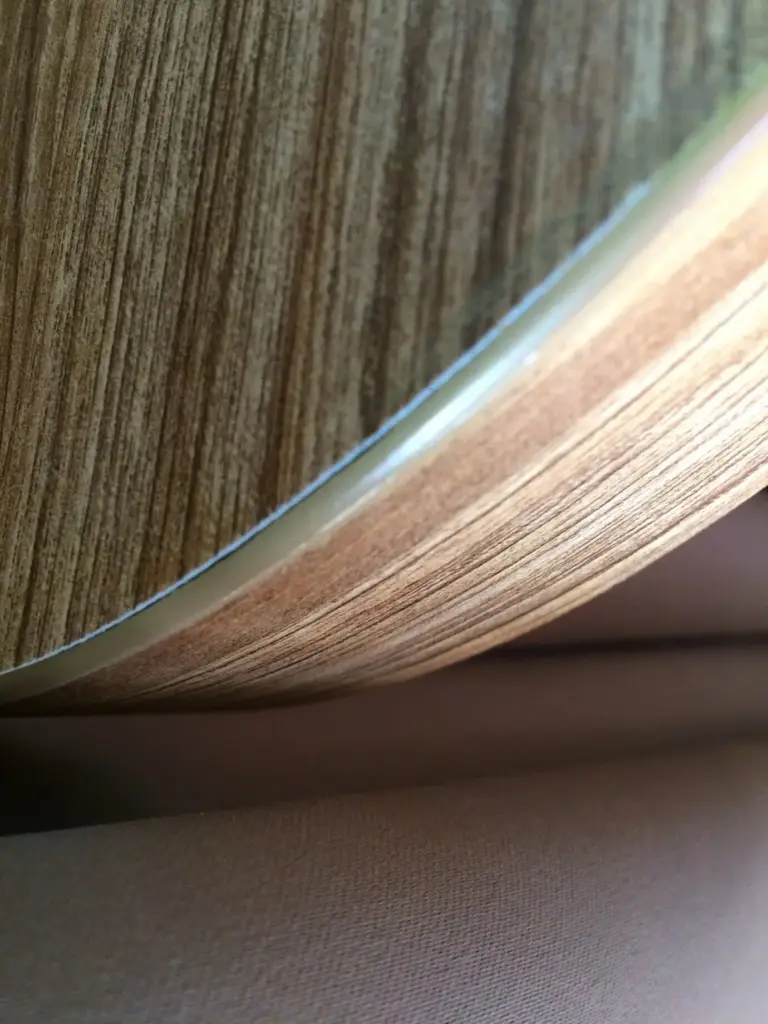
Use a clean microfiber cloth slightly dampened with distilled water to lift particles that abrade surfaces. Avoid silicone polishes that trap grime. For sticky spots, a mild, pH-neutral soap solution is safer than harsh solvents. Always test in hidden areas. Celebrate small wins by noting how clarity returns. Comment with your go-to gentle methods and the surprising difference consistency makes over months.

Light, Heat, and Humidity Management

Aim for stable humidity between 40% and 55%, minimizing expansion and contraction. Shield surfaces from direct sunlight with UV-filtering film and curtains to prevent fading. Keep pieces away from vents, fireplaces, and radiators. Small felt pads prevent vibrations. Smart sensors can alert you to fluctuations. Share your climate hacks and window solutions, helping others create calm microclimates where wood can breathe and rest.

Placement, Pads, and Thoughtful Movement

Lift, don’t drag; support legs and aprons when moving, especially old chairs. Use breathable felt pads, replacing them when compressed. Rotate dining tables and sideboards occasionally to distribute light exposure. Keep indoor plants elevated with trays to avoid moisture rings. What rearrangement or protection trick saved your furniture? Add your suggestion, inspiring subtle, sustainable habits that prevent big repairs later.

Repair Choices With an Eye on Tomorrow

Restoration can be both responsible and beautiful. Favor reversible materials, minimal intervention, and documented steps. Hide glue, shellac, and conservation waxes preserve options for future caretakers. Match repairs to original methods whenever possible. If you’re unsure, pause, research, and ask the community. Sustainable restoration values stewardship over novelty, ensuring today’s fix doesn’t become tomorrow’s irreversible mistake.

Veneer, Inlay, and Other Quiet Wonders

Delicate surfaces often carry the richest stories. Veneer expands and contracts, marquetry edges lift, and inlays can disappear under aggressive polishing. Patience, humidity control, and precise adhesives safeguard fragile artistry. Proper lighting reveals raised edges needing gentle attention. Celebrate craftsmanship by learning to stabilize rather than sand. Share photos of graceful details you’ve protected through slow, attentive, sustainable care practices.

Upholstery With Integrity and Comfort

Textiles carry family voices as strongly as wood. Where possible, repair springs, webbing, and stuffing with natural materials like jute, cotton, and horsehair. Choose durable, low-toxicity fabrics and avoid off-gassing foams. Document original layers before replacing. Add moth deterrents like cedar and frequent vacuuming. Share your upholstery journeys, including mistakes and victories, so others can choose comfort that honors history and planet.

01

Cleaning and Protecting Textiles

Vacuum gently with a brush attachment through a screen to prevent pulling. Tackle spots with distilled water and a tiny amount of mild detergent, always testing inconspicuously. Rotate cushions to balance wear. Keep beverages on trays, not arms. Tell us which fabric protectants you trust, and how you balance practical family life with the respectful care that fragile fibers need to endure beautifully.

02

Inside the Seat: Springs, Webbing, Fill

Traditional eight-way hand-tied springs are repairable and comfortable. Replace broken jute webbing like-for-like and reuse intact components. Natural stuffing breathes better, reducing moisture problems. Take photos as you disassemble, then label layers to guide reassembly. Share diagrams, suppliers, and your comfort test stories, helping caretakers choose approaches that prolong usability while keeping materials compatible with original craftsmanship and future adjustments.

03

Choosing Fabrics Responsibly

Consider heavy linen, wool blends, or organic cotton with robust weaves. Ask about dye processes and certifications. Avoid aggressive flame retardants and prioritize durability over trend. Order swatches, live with them in different light, and solicit family opinions. Post fabric discoveries and wear observations, building a shared bank of real-life results that supports beautiful, health-conscious seating that lasts years, not seasons.

The Paper Trail: Stories That Outlast Finish

Care is cultural as much as technical. Write down who used the table for birthdays, where the desk traveled, which craftsman repaired a leg. Photograph maker’s marks, drawer interiors, and backs. Add a discreet folder or QR code beneath, linking to a living document with maintenance notes. Invite relatives to contribute memories. Drop a comment with prompts that sparked surprising family recollections.

Small Fixes You Can Do With Confidence

Not every problem needs a workshop. White rings, minor scratches, and sticky drawers yield to patient, low-impact methods. Start least-invasive, document each step, and stop when progress stalls. Community feedback can point you onward. With care, you’ll resolve everyday hiccups while avoiding irreversible overreach. Tell us which quick fixes surprised you most so we can celebrate approachable wins together.

Rings, Cloudiness, and Surface Blemishes

For fresh water rings on shellac, light warmth and breathable polishing cloths can ease moisture out. A dab of mineral spirits may lift greasy smudges. Use microcrystalline wax sparingly to even sheen. Test patiently, avoiding aggressive abrasives. Share your gentle, repeatable routines that made a visible difference without compromising finish integrity or releasing unnecessary chemicals into your home and environment.

Wobbly Chairs and Loose Joints

Disassemble carefully, clean old glue surfaces without gouging, and reassemble with hot hide glue for future repairability. Use proper clamping cauls to maintain alignment. Replace missing pegs sympathetically. Explain your clamping strategies and timing in the comments. These structural fixes, approached slowly and reversibly, restore confidence, safety, and quiet dignity to everyday seating without burying history beneath permanent modern adhesives.

Sticky Drawers and Dragging Doors

Wax runners with a thin coat of microcrystalline or beeswax, aligning hardware to reduce racking. Avoid planing until you’ve stabilized humidity and checked for high spots. Felt buffers calm vibrations. Share photos of wear patterns you identified, and the tiny adjustments that delivered smooth, satisfying movement, proving that attentive diagnosis often beats invasive alteration for longevity and effortless daily enjoyment.

Stewardship, Sustainability, and the Bigger Picture

The Carbon Math of Care

Extending a table’s life by decades sidesteps the energy of harvesting, milling, manufacturing, and shipping a replacement. Even modest repairs can outweigh the footprint of new purchases. Share calculators or studies you’ve used. This mindset reframes maintenance as tangible environmental good, turning polish and patience into quiet advocacy for forests, makers, and families planning for a gentler material future.

Reclaimed Parts and Thoughtful Sourcing

Architectural salvage yards, vintage hardware bins, and local luthiers’ offcuts can supply faithful materials for sympathetic repairs. Post your favorite sources and negotiation tips. Matching density and grain reduces visual shock while honoring original intent. Responsible sourcing celebrates a circular economy, keeping usable elements in circulation and avoiding hasty online buys that may not fit, perform, or endure gracefully.

Building a Support Circle

Create a list of trusted refinishers, upholsterers, conservators, and woodworkers. Attend makers’ markets and museum talks to learn, ask questions, and compare philosophies. Share contact recommendations and price insights, strengthening community resilience. With a supportive network, you’ll make patient, principled decisions, finding joy in collaboration and ensuring that every intervention advances longevity, ethics, and the soulful continuity of family life.
Goqualifast
Privacy Overview

This website uses cookies so that we can provide you with the best user experience possible. Cookie information is stored in your browser and performs functions such as recognising you when you return to our website and helping our team to understand which sections of the website you find most interesting and useful.